SEE CLEARLY
What digital X-rays do
Digital X-rays help reveal concerns that may not be visible during a standard visual exam, including decay between teeth, changes below the gumline, bone levels, and developing issues that need closer review. They support more accurate diagnosis and treatment planning.
Diagnostic Clarity
Digital imaging helps the clinic assess areas that cannot be fully evaluated by sight alone, making it easier to detect hidden decay, infection, and structural changes earlier.
Planning Support
X-rays support treatment planning for preventive, restorative, and surgical care by giving a clearer picture of tooth roots, surrounding bone, and overall oral health.
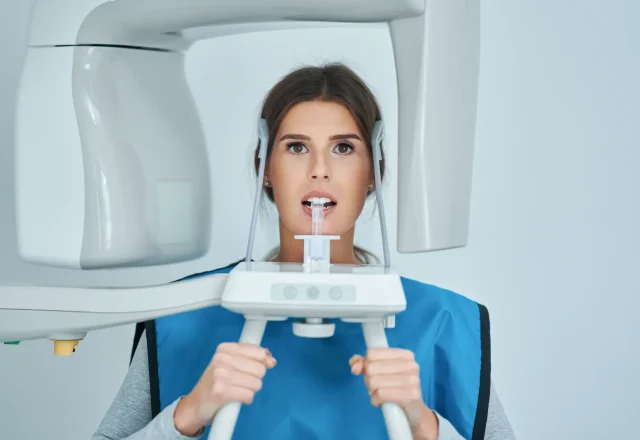
WHY PATIENTS CHOOSE THIS
Benefits of digital X-rays
- Helps detect problems that may not be visible during a standard exam
- Supports earlier diagnosis and more informed treatment decisions
- Provides clear imaging for monitoring changes over time
- Useful across preventive, restorative, and surgical planning
- Improves communication by helping patients see what the dentist is evaluating
STEP BY STEP
What to expect during imaging
Digital X-rays are usually quick and are often completed as part of a broader exam or diagnostic appointment. The exact images taken depend on what the clinic needs to assess and monitor.
1. Clinical review
The dentist determines whether updated X-rays are needed based on your symptoms, dental history, and what needs to be checked more closely.
2. Image capture
Small digital sensors or imaging tools are used to capture the necessary views, typically in a matter of minutes.
3. Diagnostic review
The images are reviewed to look for decay, bone changes, infections, impacted teeth, or other findings that need attention.
4. Treatment discussion
The clinic explains the findings and uses the imaging to support recommendations, follow-up timing, or next treatment steps.
COMMON QUESTIONS
Digital X-Rays FAQ
Helpful answers before your appointment.
They help the clinic detect concerns that may not be visible during a visual exam alone, including hidden decay, bone changes, and issues below the gumline.
Not always. The timing depends on your oral health history, current symptoms, and what your dentist needs to monitor.
Yes. They are often important for planning preventive, restorative, orthodontic, and surgical treatment with greater clarity.
No. They are also useful for routine monitoring and early detection, even when there are no obvious symptoms.
SEE THE FULL PICTURE
Ask the clinic about digital X-rays.
Digital imaging can help the clinic diagnose concerns more accurately and support clearer treatment planning when a closer look is needed.