PROTECT WHAT MATTERS
What sealants do
Sealants are thin protective coatings placed on the grooves of back teeth to help reduce the risk of decay in areas that are harder to keep clean. They are often used as a preventive option for children, teens, and some adults with deeper chewing surfaces.
Protective Coverage
Sealants sit over vulnerable grooves on the chewing surfaces of molars, helping block food particles and bacteria from settling into these harder-to-brush areas.
Simple Preventive Care
They are typically quick to apply and are often recommended as part of a broader preventive plan that may also include exams, cleanings, and fluoride support.
WHY PATIENTS CHOOSE THIS
Benefits of dental sealants
- Helps protect back teeth that are more likely to trap food and bacteria
- Supports prevention before cavities begin in vulnerable grooves
- Can be applied quickly as part of routine preventive care
- Often recommended for children and teens as molars come in
- Works alongside brushing, flossing, fluoride, and regular exams
STEP BY STEP
What to expect during treatment
Sealants are usually applied during a straightforward preventive visit. The process is designed to be simple and efficient, with the goal of helping protect the teeth without drilling or more invasive treatment.
1. Tooth assessment
The dentist checks whether the back teeth have deep grooves or other features that may make them more vulnerable to decay and suitable for sealant placement.
2. Cleaning & preparation
The chewing surface is cleaned and prepared so the coating can bond properly to the tooth.
3. Sealant application
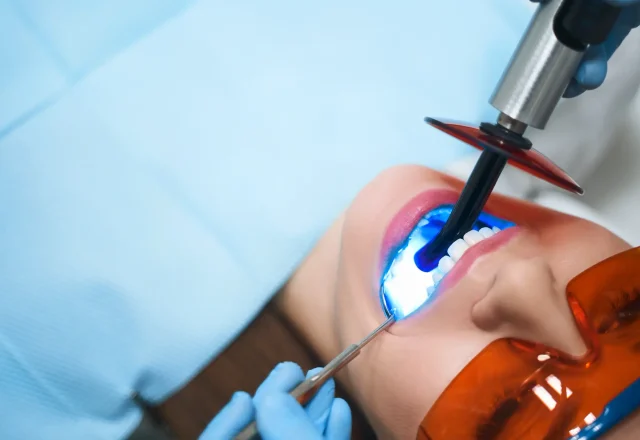
The protective material is placed into the grooves of the tooth and set in place, creating a smoother barrier over the vulnerable surface.
4. Final check & home care
The bite and coverage are checked, and you receive guidance on maintaining the teeth with good brushing, flossing, and routine dental visits.
COMMON QUESTIONS
Sealants FAQ
Helpful answers before your appointment.
Sealants are commonly recommended for children and teens when permanent molars come in, but some adults may also benefit depending on the shape and condition of their teeth.
No. Sealants are an added layer of prevention. They work best alongside good home care, fluoride support, and regular dental visits.
No. While they are often associated with children, some adults with deeper grooves or cavity-prone chewing surfaces may also be candidates.
Sealants can last for years, but they should be checked during routine exams to make sure they are still intact and providing good coverage.
PROTECT YOUR SMILE
Ask the clinic about dental sealants.
Sealants can be a smart preventive step for cavity-prone back teeth and are often easiest to place before decay has a chance to begin.