ALIGN WITH CLARITY
What Invisalign does
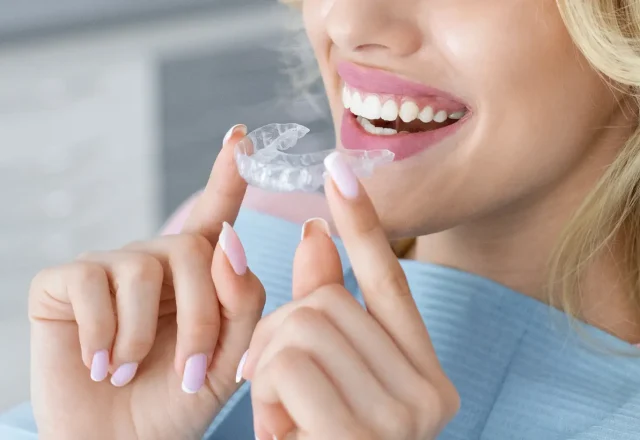
Invisalign uses a series of clear aligners to gradually reposition teeth with a more discreet and flexible approach than traditional braces. It is often chosen to improve crowding, spacing, and bite relationships while keeping treatment visually low-profile in everyday life.
Clear Aligner Orthodontics
Instead of brackets and wires, Invisalign relies on customized aligners that are designed to move teeth in carefully planned stages while blending more naturally into school, work, and social life.
Smile & Bite Improvement
In the right case, treatment can support more than appearance alone by helping refine alignment, spacing, and how the teeth come together over time.
WHY PATIENTS CHOOSE THIS
Benefits of Invisalign
- Offers a more discreet orthodontic option for teens and adults who want alignment correction without visible braces
- Uses removable aligners, which can make eating, brushing, and flossing simpler than with fixed brackets
- Supports more controlled planning through digital staging and progress-based aligner changes
- Can improve crowding, spacing, and certain bite concerns while maintaining a cleaner overall appearance during treatment
- Fits well for patients who want orthodontic improvement with more day-to-day flexibility
STEP BY STEP
What to expect during Invisalign treatment
Invisalign treatment is planned in stages, with each aligner set building on the previous one. The process focuses on diagnosis, digital planning, consistent wear, and progress reviews so tooth movement stays on track and the final result remains predictable.
1. Assessment & digital records
The clinic evaluates alignment concerns, bite relationships, and treatment goals, then gathers the scans or records needed to plan movement accurately.
2. Custom treatment planning
A staged aligner sequence is designed to map how the teeth should move over time, based on the complexity and priorities of the case.
3. Aligner wear & progress checks
You wear each aligner set as directed and return for periodic reviews so the clinic can confirm the teeth are tracking as expected.
4. Refinement & retention
Once the main tooth movements are completed, refinements may be recommended and retainers are typically used to help protect the result.
COMMON QUESTIONS
Invisalign FAQ
Helpful answers before your appointment.
It is often used for crowding, spacing, and certain bite-related concerns, though suitability depends on the complexity of the case.
Successful treatment depends on consistent wear. The clinic will explain the recommended daily wear time so progress is not slowed.
No. While aesthetics are a common motivation, Invisalign can also be part of managing alignment and bite relationships in a more functional way.
In most cases, yes. Retention is an important part of protecting the final alignment result after active treatment is complete.
STRAIGHTEN WITH SUBTLETY
Ask the clinic about Invisalign.
If you want a clearer, more flexible path to orthodontic improvement, Invisalign may offer a discreet way to align your smile without traditional braces.