CARE WHEN IT COUNTS
What Emergency Dentistry Includes
Real relief, fast. Same-day emergency visits are available for $99, whether you’re already a patient or calling us for the first time.
Dealing with sudden tooth pain, a broken tooth, or an injury and not sure where to turn? We keep appointments open specifically for dental emergencies, so you’re not stuck waiting days for relief. You don’t need to already be a patient here to call.
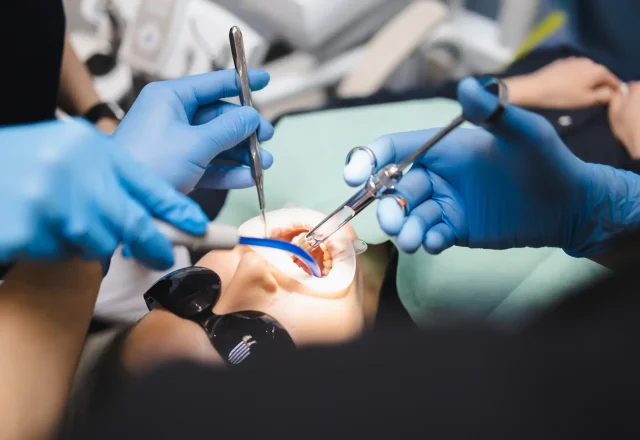
Emergency dentistry focuses on urgent dental problems that need prompt attention, including sudden pain, swelling, trauma, infection, or a broken tooth. Your visit includes an exam, X-rays, and treatment focused on getting you out of pain, which may involve:
Pain relief and stabilization for the affected tooth.
- Treatment for a broken, chipped, or cracked tooth.
- Care for a lost filling or crown.
Evaluation and treatment for infection or abscess.
A clear plan for any follow-up treatment, like a root canal or extraction, if needed.
WHY PATIENTS CHOOSE THIS
Benefits of Emergency Dental Care
Getting seen quickly protects both your comfort and your long-term oral health:
- Same-day appointments mean you’re not waiting days while pain or swelling gets worse.
- A cracked or broken tooth treated early is less likely to break further or become infected.
- A knocked-out tooth has the best chance of being saved when it’s treated within the first hour or two.
- We’re seeing you whether you’re an existing patient or calling for the very first time.
STEP BY STEP
Is This a Dental Emergency?
Is This a Dental Emergency?
Your $99 Same-Day Emergency Visit
Same-day emergency visits are $99, covering your exam, X-rays, and treatment to get you out of pain. If further treatment is needed, like a root canal or extraction, we’ll walk you through the cost before moving forward.
COMMON QUESTIONS
Frequently Asked Questions
Helpful answers before your appointment.
Severe pain, a broken or knocked-out tooth, a lost filling or crown, swelling, or bleeding that won’t stop are all reasons to call us right away.
Yes. We keep appointments open specifically for dental emergencies whenever possible.
No. We see emergency patients whether you’ve been coming here for years or you’re calling us for the first time.
Handle it by the crown, not the root, keep it moist, and call our office right away. Getting seen quickly gives the tooth the best chance of being saved.
An exam, X-rays, and treatment focused on relieving your pain and stabilizing the problem.
We’re open Monday through Thursday, 10 AM to 6 PM, and Friday and Saturday, 10 AM to 3 PM. Call as soon as you notice a problem so we can get you in as quickly as possible.
DON’T WAIT ON PAIN
Contact the clinic for emergency dental care.
When a dental problem becomes urgent, prompt care can make treatment simpler, safer, and easier to manage before the issue worsens.