SAVE WHAT MATTERS
What root canal treatment does
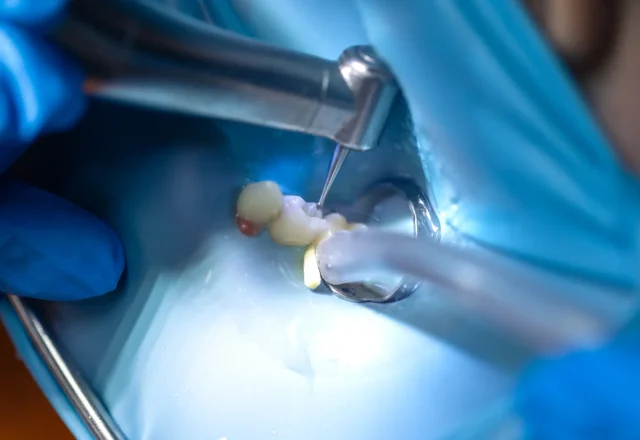
Root canal treatment is designed to remove infection or inflammation from inside the tooth while preserving the outer tooth structure whenever possible. Instead of removing the tooth, the goal is to stabilize it, relieve discomfort, and keep it functioning in the smile.
Internal Infection Care
The treatment focuses on the pulp space inside the tooth, where infection, deep decay, or inflammation can cause significant discomfort and threaten the tooth’s long-term survival.
Tooth Preservation
By treating the inside of the tooth rather than removing it, root canal therapy can help maintain function, bite support, and overall treatment simplicity.
WHY PATIENTS CHOOSE THIS
Benefits of root canal treatment
- Helps preserve a natural tooth that might otherwise require extraction
- Addresses infection and reduces ongoing inflammation from within the tooth
- Supports comfort, function, and better long-term restorative planning
- Can prevent spread of infection to surrounding tissues
- Often allows the tooth to remain part of the bite rather than be removed
STEP BY STEP
What to expect during treatment
Root canal treatment is planned around diagnosis, internal cleaning, sealing, and restoration. The exact number of visits depends on the tooth involved, the degree of infection, and how the tooth needs to be restored afterward.
1. Diagnosis & imaging
The dentist confirms the source of pain or infection and reviews the internal anatomy of the tooth to plan treatment accurately.
2. Access & internal cleaning
The inside of the tooth is accessed so inflamed or infected tissue can be removed and the canals can be cleaned thoroughly.
3. Sealing the canals
Once the space is disinfected and prepared, the canals are sealed to help protect the tooth from future contamination.
4. Final restoration planning
The tooth may then be restored, often with additional reinforcement, so it can continue to function reliably after treatment.
COMMON QUESTIONS
Root Canal Treatment FAQ
Helpful answers before your appointment.
A root canal may be recommended when deep decay, trauma, or infection has affected the inside of the tooth and is causing pain, sensitivity, swelling, or structural risk.
No. The goal is usually to preserve the tooth by treating the infected or inflamed tissue inside it.
Often yes. Depending on the tooth and the amount of lost structure, the clinic may recommend additional restoration to help protect it afterward.
Not always. Some teeth have internal damage or infection even when symptoms are mild or intermittent, which is why imaging and clinical evaluation matter.
PRESERVE THE TOOTH
Ask the clinic about root canal treatment.
When the inside of a tooth is compromised, prompt treatment may help relieve discomfort and keep the tooth in place instead of moving straight to extraction.