REMOVE WITH CARE
What tooth extraction does
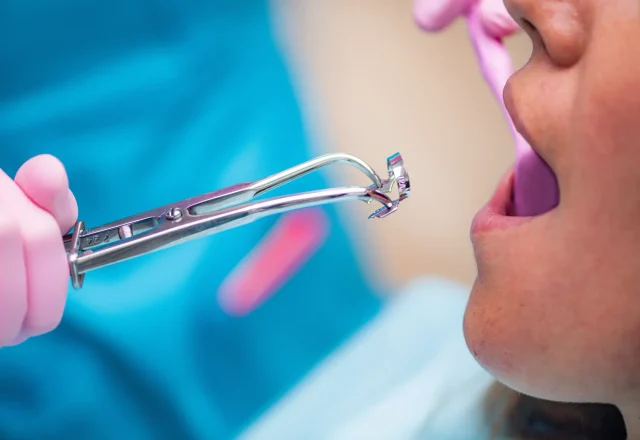
Tooth extraction is used when a tooth cannot be predictably restored or is creating problems for surrounding teeth, gums, or bite health. It can also include wisdom tooth removal when third molars are impacted, painful, or affecting nearby structures.
Standard Extractions
Used when a tooth is damaged, infected, or no longer viable, with the goal of resolving the issue while preserving the health of the surrounding area.
Wisdom Tooth Removal
Included when third molars are impacted, misaligned, difficult to clean, or creating pain, swelling, crowding, or pressure against neighboring teeth.
WHY PATIENTS CHOOSE THIS
Benefits of tooth extraction
- Removes a source of pain, infection, or repeated inflammation
- Prevents further damage to nearby teeth and supporting tissues
- Can create space or stability for future restorative care
- Addresses problematic wisdom teeth before complications progress
- Supports a healthier baseline for healing and long-term planning
STEP BY STEP
What to expect during treatment
Extractions vary in complexity. Some are straightforward, while others, especially wisdom teeth, may require more detailed planning based on imaging, position, and access.
1. Examination & imaging
The dentist evaluates the tooth, surrounding structures, and overall difficulty of the case, often with imaging to confirm position and root anatomy.
2. Comfort & preparation
Local anesthesia is used, and the area is prepared carefully so the extraction can be completed as smoothly and comfortably as possible.
3. Tooth removal
The tooth is removed using the appropriate technique. In wisdom tooth cases, the approach may vary depending on impaction and access.
4. Aftercare & healing guidance
You receive instructions to help protect the site, reduce complications, and support a more predictable recovery.
COMMON QUESTIONS
Tooth Extraction FAQ
Helpful answers before your appointment.
It may be recommended when a tooth is severely damaged, infected, non-restorable, or when a wisdom tooth is creating pressure, pain, or repeated inflammation.
Yes. Wisdom tooth removal is treated as part of the broader extraction category when third molars need to be removed.
That depends on the location and function of the tooth. In many cases, the clinic may discuss options such as implants, bridges, or other restorative solutions.
Initial recovery is often measured in days, but healing time varies depending on the tooth removed, the complexity of the case, and how closely aftercare is followed.
MOVE FORWARD WITH RELIEF
Talk to the clinic about tooth extraction.
Whether the concern is a damaged tooth or a problematic wisdom tooth, timely evaluation can help relieve discomfort and prevent bigger issues from developing.